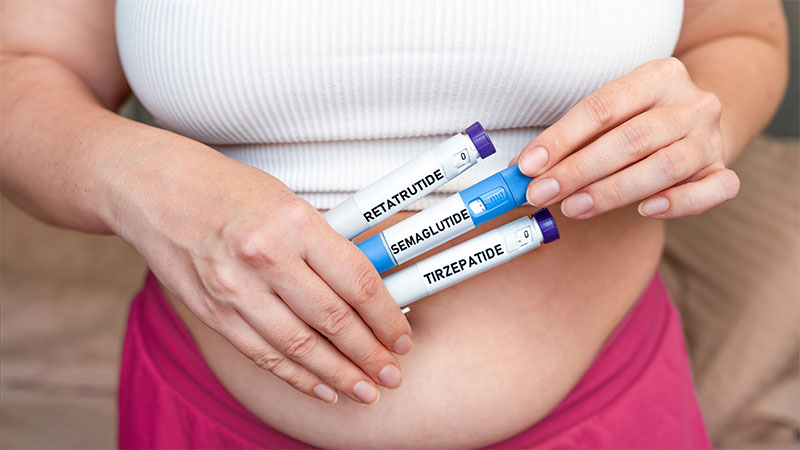
What's the deal with BPC
USD26.30
Size:120 Tablets These and many other early experiments that used viscometry to study protein denaturation and unfolding laid the groundwork for understanding intrinsically disordered states by showing that a rigid, compact, globular protein has a small effect on viscosity because it occupies a small hydrodynamic volume (they typically have a low intrinsic viscosity, in the range of 3–4 mL/g, which is independent of protein molecular mass), whereas an unfolded, flexible, or disordered protein adopts a random coil-like conformation, creating a much larger hydrodynamic volume that increases the solution’s viscosity (intrinsic viscosity of unfolded proteins increases with increase in molecular mass) Food FDA panel recommends easing some peptide restrictions despite disapproval from scientists https://www.ncbi.nlm.nih.gov/books/NBK593214/bin/ch18adminprntlmeds-Image035.jpg
USD26.30
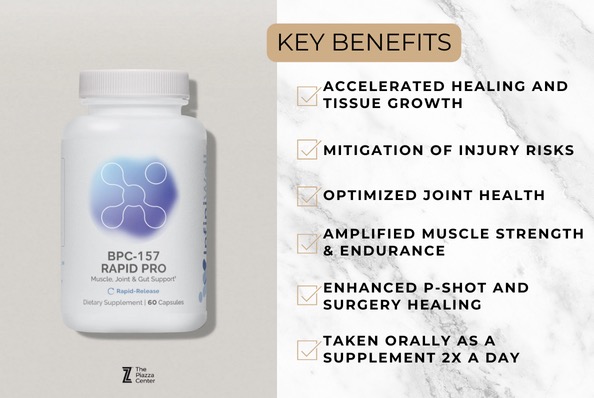


USD21.63